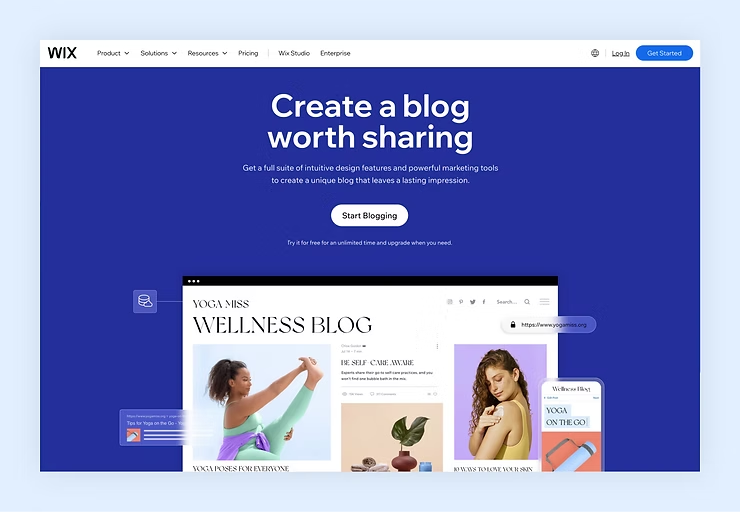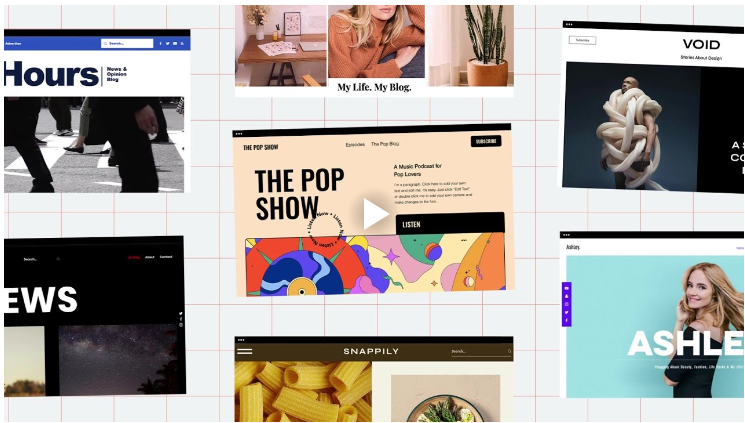
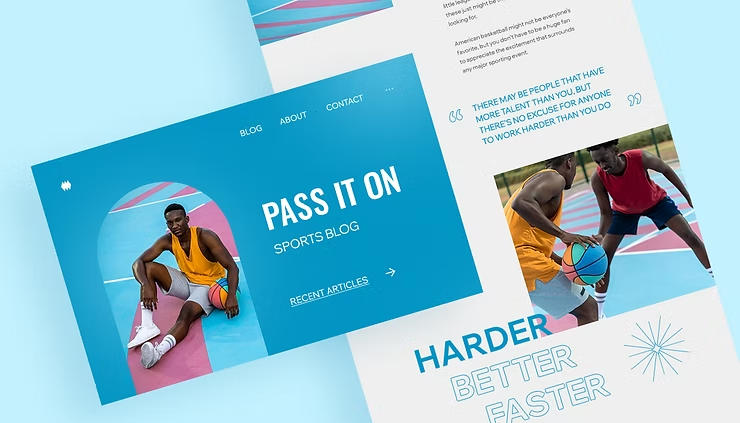
When you decide to learn how to make a blog, you have two options: either your website is solely dedicated to your blog or it’s a separate section of your website. Either way, the core purpose of having a blog to begin with is to entice people to read your posts. Therefore, it’s important that your written content be the sole focus. No flashy animations or complex imagery needed here; in fact, simplicity will get you much further when it comes to expanding your readership.
Here are some tips on how to optimize the different elements of your blog design:
01. Design an eye-catching homepage
If your website were a house, the homepage would be the front door; it’s the primary gate to your online space. Your published posts may be featured here or on a dedicated page, but either way, your homepage needs to convince visitors that your blog is worth exploring. It should grab their attention and inform people immediately what the core purpose of your website is.
Spend time considering your web design, including layout, font and colors. And because your blog is a central part of establishing your online presence, you’ll also need to think about how to best navigate visitors to it from the homepage using a menu bar.
02. Include headers
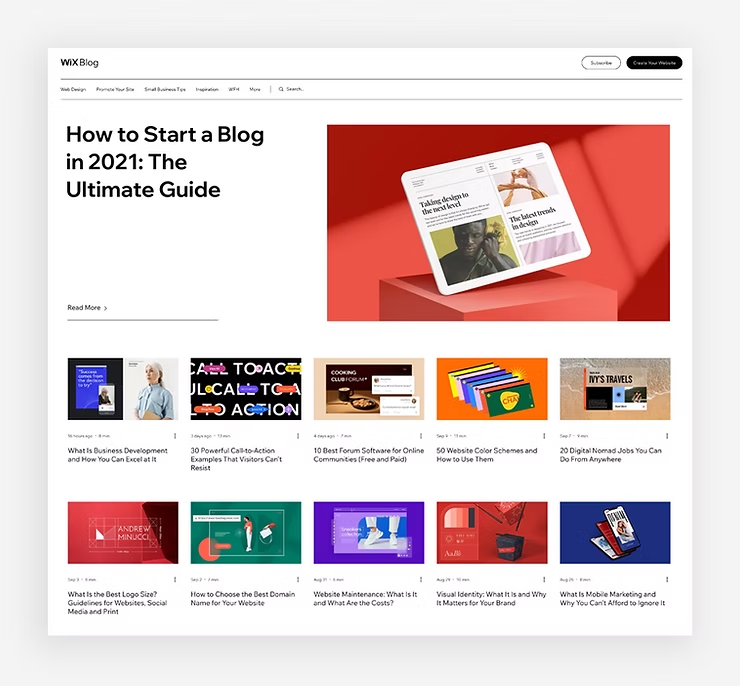
Another way to draw in people’s eyes is to utilize headers on both your homepage and your blog page. A header is the top strip of each page on your site, and it helps set the tone and conveys what readers can expect from their experience. You can even customize your headers for each page if you wanted to.
You should include the name of your website, your logo and even a high quality image if it’s in keeping with the tone of your site. You may also want to use a navigation menu so visitors can easily make their way from page to page.
03. Create a logo
Creating a logo is an essential part of professional branding. Whether you want to start a fashion blog or a food blog, associating your name with a logo helps solidify your brand identity and makes your website more memorable. It’s a visual representation of who you are, what you stand for and the type of content you create.
You can use a logo maker to generate the perfect emblem to represent yourself and your blog. Then, incorporate it throughout your site, most importantly, on her headers. You can also include it on the footer of each page along with other valuable information, such as contact details so people are sure to remember you.
04. Incorporate empty space
Within a few seconds, a person visiting your site will decide whether or not your blog is worth exploring. While you may have read articles about what features to include in your blog, it’s also worth emphasizing what not to include. This is where empty space, also known as white space, comes into play.
Empty space refers to areas of your blog that you simply leave blank. Too much text and an abundance of images can appear messy and unorganized. Your blog should flow seamlessly so visitors can easily navigate from one page to the next. Empty space allows readers’ to make sense of the components on each page, guides their eyes and helps frame the written content.
05. Use simple navigation
While some websites, especially those in the UX or web design sphere, may incorporate complex design features, a blog design should remain simple. This allows your written content to shine through as the star.
If your entire website is dedicated to your blog, your primary goal is to attract readers. They need to be able to find your posts easily and navigate the various pages on your site. Don’t steal focus with too many fancy features which can distract potential readers. Let the quality of your written and visual content speak for itself.